
SIM swap: how a phone number stops being yours
Nothing is hacked. The number is moved by the company that owns it, on a request that looked legitimate — and your phone losing signal is the only warning you get.
ScamiroUnderstand scams before they become a problem
Section
Accounts, passwords, recovery and the first hour after something goes wrong.
Nothing is hacked. The number is moved by the company that owns it, on a request that looked legitimate — and your phone losing signal is the only warning you get.

Faces and voices are synthesised live from material already public. The visual tells are disappearing — the behavioural ones are not, and neither is calling back on a number you already had.

The request sounds smaller than what it grants — and one familiar-looking prompt turns being watched into being operated.
Account takeovers rarely start with a guessed password. They start with a recovery email or phone number nobody had checked in years — and the change is designed not to be noticed.
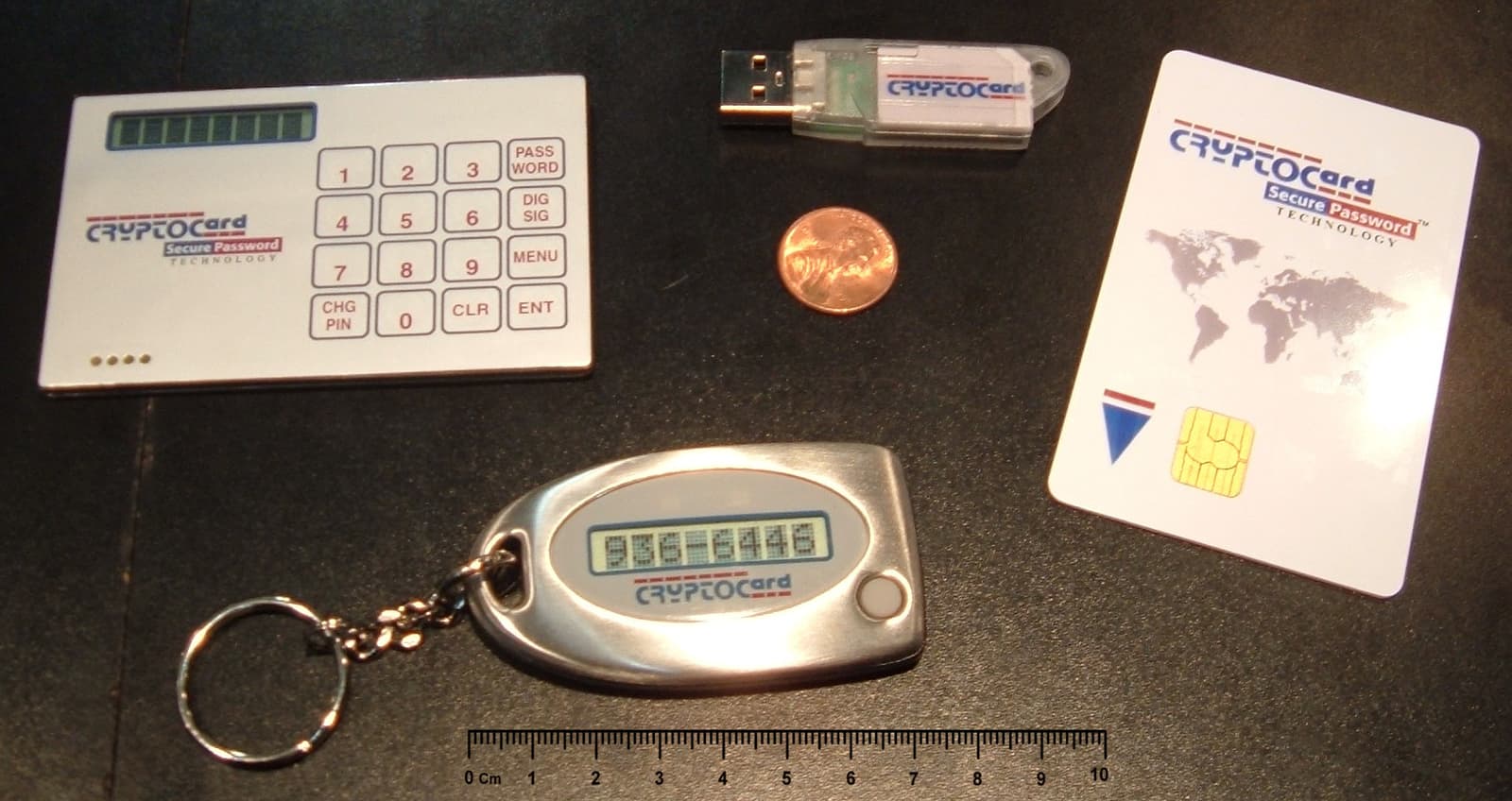
All three are called two-factor authentication and they are not equivalent. Two of them can be phished in real time; one cannot, for a structural reason worth understanding.