Android XR in 2026: Google’s Push for a New Spatial Computing Ecosystem
Android XR is expanding across headsets, wired XR glasses and intelligent eyewear, giving developers a shared platform for a new generation of spatial computing devices.
 Scamiro
Short answer
Android XR is Google's operating system and developer platform for extended-reality headsets and glasses. In 2026 the ecosystem is expanding beyond a single headset toward wired XR glasses and intelligent eyewear, with Gemini integrated as a core assistant layer.
On this page
- What is Android XR?
- Why is Android XR important in 2026?
- What can the technology do today?
- Where does the real value come from?
- What changed recently?
- What are the main risks and limitations?
- How should a company or developer evaluate it?
- What should we watch over the next 12 to 24 months?
- What is the practical takeaway?
Short answer: Android XR is Google's operating system and developer platform for extended-reality headsets and glasses. In 2026 the ecosystem is expanding beyond a single headset toward wired XR glasses and intelligent eyewear, with Gemini integrated as a core assistant layer.
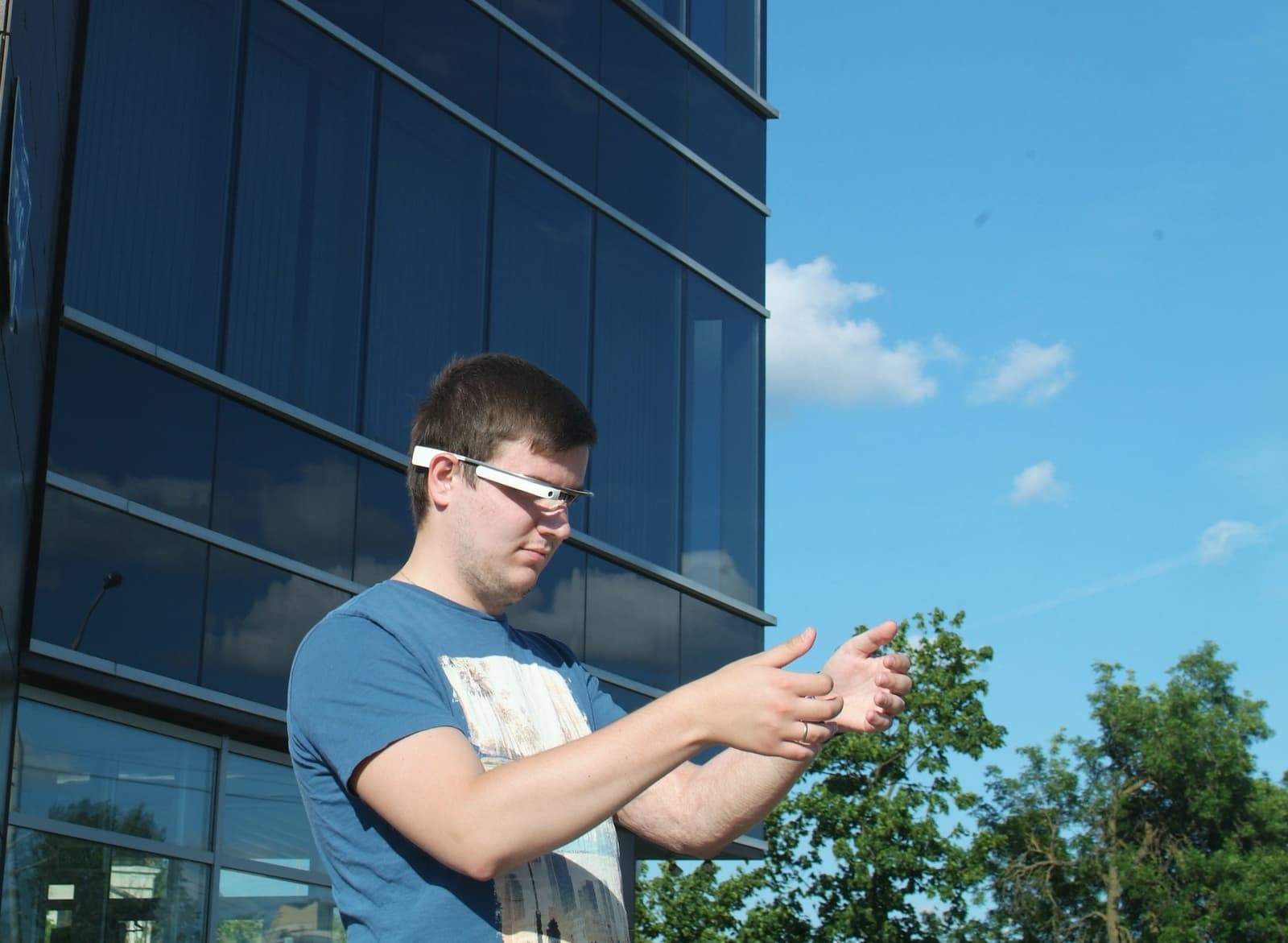
Spatial computing is no longer being built around one type of headset. Google is positioning Android XR as a platform that can span immersive headsets, lightweight wired glasses and future intelligent eyewear. That strategy matters because developers prefer ecosystems that let one set of skills reach multiple device categories.
The practical reason this topic matters is not that it sounds futuristic. It matters because it changes how software, devices or infrastructure are designed. In every fast-moving technology trend, the useful question is the same: what can be deployed reliably today, what still belongs in a controlled experiment, and what evidence would justify broader adoption?
What is Android XR?
Android XR is an operating system and application platform for devices that blend digital information with the physical world. It supports familiar Android development tools while adding XR-specific capabilities for spatial interfaces, immersive environments, headsets and glasses.
That definition is important because the same label can be used for very different products. A demo may show the headline capability without showing the permissions, infrastructure, data quality, recovery process or human work required behind the scenes. Evaluating the full system prevents teams from buying a category name instead of solving a real problem.
Why is Android XR important in 2026?
Google's 2026 updates show the ecosystem moving from concept to product. Samsung Galaxy XR is available, XREAL AURA reservations opened for a fall launch, and Google announced upcoming intelligent eyewear with partners including Gentle Monster and Warby Parker. Android XR Developer Preview 4 expanded support across headsets, wired XR glasses and audio or display glasses.
The timing also reflects a wider change in technology purchasing. Companies are asking whether AI and new computing platforms can move from isolated experiments into normal operational workflows. That puts more pressure on reliability, cost, interoperability, governance and measurable return. A feature that works once on stage is less important than a system that works 1,000 times under ordinary conditions.
What can the technology do today?
Current use cases include:
- Creating large virtual workspaces that extend beyond a physical monitor.
- Building immersive training, visualization and collaboration apps.
- Delivering navigation and contextual information through display glasses.
- Providing voice-first AI help through audio glasses.
- Running adapted Android applications inside spatial environments.
- Building entertainment and gaming experiences with XR-specific interaction.
These examples have one thing in common: they can be described as workflows rather than vague promises. A workflow has an input, an expected output, a user or system that consumes the result, and a way to measure failure. That structure makes it possible to test the technology objectively.
Where does the real value come from?
A shared operating system lowers the barrier for developers. Instead of treating every headset as an isolated platform, Android XR can provide common tools such as Android Studio, Jetpack, ARCore, Unity and OpenXR support. That can encourage more experiments because teams do not have to start from zero for every device.
The value should be measured against the current alternative. Saving 20 minutes is meaningful only if the new process does not add 30 minutes of checking. A lower infrastructure cost matters only if reliability remains acceptable. A privacy claim matters only if data flows are actually documented. Teams should therefore evaluate total workflow cost rather than one attractive metric.
What changed recently?
The 2026 roadmap is especially notable for the range of hardware. Google describes intelligent eyewear in two forms: audio glasses and display glasses. XREAL AURA represents a wired spatial-computing approach, while Galaxy XR serves the immersive-headset category. This diversity suggests that spatial computing may evolve through several form factors instead of one universal device.
Recent launches matter because they reveal where vendors are investing. They also show which parts of the technology stack are becoming standardized. When several companies begin solving the same infrastructure problem — permissions, provenance, latency, deployment, monitoring or interoperability — it is usually a sign that the category is maturing beyond the prototype stage.
What are the main risks and limitations?
The most important issues to watch are:
- Developers may struggle to design one experience across very different hardware capabilities.
- Battery, comfort and heat remain difficult for lightweight glasses.
- Camera and environmental awareness create privacy concerns.
- The market is still small compared with phones, so return on development can be uncertain.
- Poorly adapted flat applications can feel awkward in a spatial interface.
Not every risk has the same severity. A mistake in a draft recommendation is different from an automatic financial transaction or a security response. The safest systems match permission level to consequence. They also keep logs, expose uncertainty and make it easy for a person to stop or reverse a process when that is technically possible.
How should a company or developer evaluate it?
A practical evaluation can follow this sequence:
- Choose one XR use case that benefits from space rather than simply copying a 2D app.
- Prototype with Android XR tools before investing in custom hardware.
- Design for comfort and short interactions on lightweight glasses.
- Test permissions and privacy indicators around cameras and microphones.
- Plan adaptive layouts for multiple XR form factors.
Testing should include difficult cases, not only the easiest success path. Measure latency, error rate, human review time, failure recovery and cost. If users must constantly correct the system, the headline capability may not translate into productivity.
What should we watch over the next 12 to 24 months?
Android XR could become more important if several hardware vendors ship compatible devices. The ecosystem approach is familiar from smartphones, but XR faces harder ergonomic and social challenges. Adoption will depend on whether developers find repeatable use cases that users return to every day.
Watch adoption rather than announcements. A technology becomes important when people repeatedly use it for valuable work and when the surrounding ecosystem becomes easier to operate. Standards, developer tools, security controls and pricing often determine adoption as much as the underlying model or hardware.
What is the practical takeaway?
Android XR is one of the clearest attempts to turn spatial computing into a multi-device platform. Its success will depend less on one impressive headset and more on whether developers can build useful experiences across an expanding family of devices.
The strongest way to follow Android XR is to separate capability from hype. Look for repeatable results, transparent limitations, clear control boundaries and evidence that the technology improves a real task. That approach remains useful even when the market changes quickly.
Frequently asked questions
- Is Android XR only for headsets?
- No. Google is designing the platform for headsets, wired XR glasses and intelligent eyewear.
- Can Android developers reuse existing skills?
- Yes. Google supports familiar tools such as Android Studio, Jetpack Compose, ARCore, Unity and OpenXR.
- What devices are available or announced?
- Samsung Galaxy XR is available, while XREAL AURA and additional intelligent eyewear are planned for later in 2026.
Sources
Scamiro
Practical online safety guides covering scams, phishing, suspicious links, fraudulent websites, impersonation, social media scams, and digital fraud.
About the publication